
Two movers can handle a small safe under about 250 pounds on level ground. Most residential gun safes are heavier than that, and the common range of 250 to 600 pounds usually calls for three.
Anything approaching 1,000 pounds, or any safe with stairs in its path, generally needs three or four and equipment rated for the load. We have moved safes for Central Florida customers since 1968, and the number is always set by weight and access rather than by preference.
The Short Answer, and Why Weight Decides Crew Size
A gun safe is an awkward load rather than simply a heavy one. The weight sits high and towards the door side, the surfaces give you nothing to grip, and the whole thing wants to tip the moment it leaves level ground.
That combination is why crew size scales with weight far more steeply than it does for furniture. A 400-pound dresser and a 400-pound safe are not the same job, and treating them the same is how floors, door frames, and backs get damaged.
Weight is also the number most owners cannot produce on request. People know the brand and roughly how tall the safe is, but the actual weight sits in the manual or on the manufacturer’s website under the model number.
That figure drives everything downstream, including how many people we assign, which dolly comes off the truck, and whether the route works at all. Our household moving services cover safes alongside the rest of a move, and the one piece of information we ask for first is the model.
Crew Size by Safe Weight
The weight bands below reflect common practice across the industry rather than a fixed rule, because access changes the arithmetic. They are a reasonable guide to what your own safe will need.
| Safe weight | Typical crew | Why |
|---|---|---|
| Under 250 pounds | 2 movers | Manageable on a rated dolly with straps on level ground |
| 250 to 600 pounds | 3 movers | Two on the load, one controlling the path and the turns |
| 600 to 1,000 pounds | 3 to 4 movers | Equipment carries the weight, people control the direction |
| Over 1,000 pounds | 4 movers or specialist rigging | Multiple control points, and stairs are usually ruled out |
Commercial safes sitting well above those figures are a different job again and often need rigging rather than moving. If your safe is a retail or dealer unit rather than a residential one, say so early, because the equipment and the approach both change.
Why Equipment and Control Matter More Than Muscle
Adding people to a safe move past a certain point stops helping and starts getting in the way.
What actually moves a safe safely is a heavy-duty appliance dolly rated for the full weight, ratchet straps cinched tight enough that the safe and the dolly behave as one object, floor protection along the entire route, and moving pads to keep the finish and your walls intact.
A standard furniture dolly or a household hand truck is not rated for this and will fail under it.
Control is the other half. The crew’s job is to keep the load moving slowly and predictably, which means one person steering, others managing the tip angle, and someone clearing the path ahead.
Our crews bring pads, dollies, and straps on every truck and plan the route before the safe moves an inch, which is the same discipline our piano moving crews apply to an instrument. Heavy and awkward items are planned in advance rather than improvised on the day.
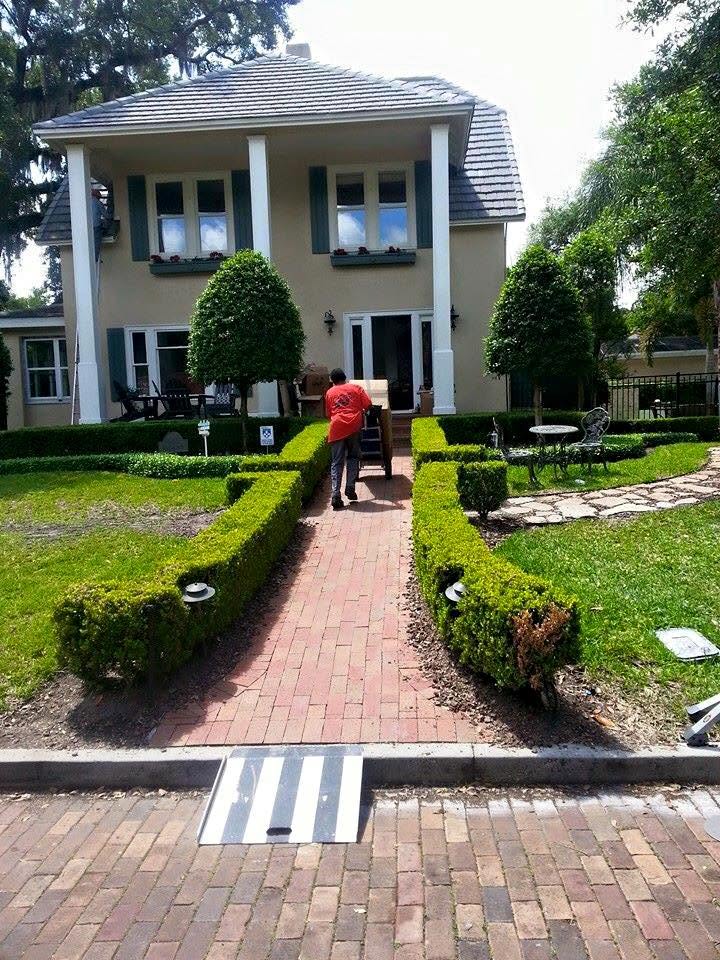
Have a safe in the move and want the right crew assigned to it? Send us the make, model, and location, and we will build it into your free written estimate.
What Stairs and Tight Turns Change
Stairs change everything about a safe move. A load that two or three people manage comfortably on level ground becomes a controlled descent where gravity is working against you the entire way, and the risk sits with the people below the stairs.
Stairs effectively add at least one person to every weight band and usually call for a stair climbing dolly rather than a standard one. Narrow, curved, or steep staircases raise the difficulty again, and older homes with lighter stair construction need the staircase itself assessed before anything starts.
Tight turns and doorways cause the other half of the problems. Measure the doorway width, the hallway, the turn into the room, and any landing the safe has to pivot on, and remember that a safe’s exterior is considerably bigger than its interior suggests.
Some models allow the door to be removed, which takes meaningful weight off and occasionally turns an impossible path into a workable one. That is the same logic behind moving a pool table properly, where the piece comes apart before it goes anywhere.
Tell us about the stairs, the turns, and the surfaces at both addresses when you request your estimate, because a route discovered on moving day is a route nobody planned for.
What to Tell Us Before Moving Day
A safe move goes well when the office knows the job before the truck is loaded. Share the make and model, the published weight, which floor it is on now and which floor it is going to, how many steps are involved at each end, and the width of the narrowest doorway on the route.
Mention the flooring too, because hardwood, tile, and carpet each need different protection, and whether the safe is currently bolted down. Bolts have to come out before anything moves, and a digital lock with a tired battery is worth replacing before the day rather than discovering mid-move.
Empty the safe completely before we arrive. Firearms and ammunition travel with you rather than in the truck, and documents, cash, and valuables should come out as well, both for weight and because you will want them accessible during the move anyway.
If the safe is going into storage while a closing date settles, our secure warehouse storage can hold it on open racking alongside anything else that does not fit a vault. Say so when you book so the handling is planned once rather than twice.
KNOW YOUR SAFE’S MODEL NUMBER?
With a real weight, a floor, a step count, and a doorway measurement, we can tell you the crew size and the equipment your safe needs. Ask us for a free written estimate, and we will assign the crew to your safe rather than to the average.
Related Topics: