
It depends on what you are storing and for how long. Wood furniture, leather, paper, photographs, electronics, artwork, and musical instruments are the items that suffer in Central Florida heat and humidity, so a load built around those is worth protecting carefully.
Tools, outdoor furniture, plastics, ceramics, and garden equipment generally are not. We have stored belongings for Orlando families and businesses since 1968, and most people ask this question about an entire household when only part of it is actually at risk.
What Climate Controlled Storage Actually Means
Climate control is not the same thing as air conditioning, and the two get confused constantly. A genuinely climate controlled space holds both temperature and relative humidity inside a set range, usually somewhere around 55 to 85 degrees with humidity kept below roughly 55 percent.
The humidity half of that is the part that matters in Florida. Temperature swings cause expansion and contraction, but sustained moisture is what grows mold, lifts veneer, and corrodes metal.
The distinction matters because several things get marketed as climate control that are not. A unit with a vent, a fan, or a dehumidifier running in a corridor is managing air movement rather than conditions, and a building that is cooled during business hours is not the same as a space held steady around the clock.
If a facility tells you a space is climate controlled, ask what temperature and humidity range it actually holds and how that is monitored. A straight answer is a reasonable thing to expect.
What Florida Humidity and Heat Do to Stored Belongings
Central Florida does not get a dry season in the way northern states do, so humidity is a months-long condition rather than a few bad weeks.
Wood absorbs and releases moisture with the air around it, which is why joints loosen, veneer lifts, and drawers stop sliding after a summer in the wrong conditions. Leather goes the other way and does both, drying and cracking in heat, then taking on moisture and growing surface mildew.
Paper and photographs are the least forgiving. Prints stick together, pages cockle and stain, and once photographs have fused there is nothing to be done about it.
Electronics fail quietly rather than dramatically, because moisture corrodes contacts over months and the damage only shows up when you plug the thing in a year later. Metal tools and hardware rust. Adhesives give up, which is what takes apart cheaper furniture and the backs of framed pieces.
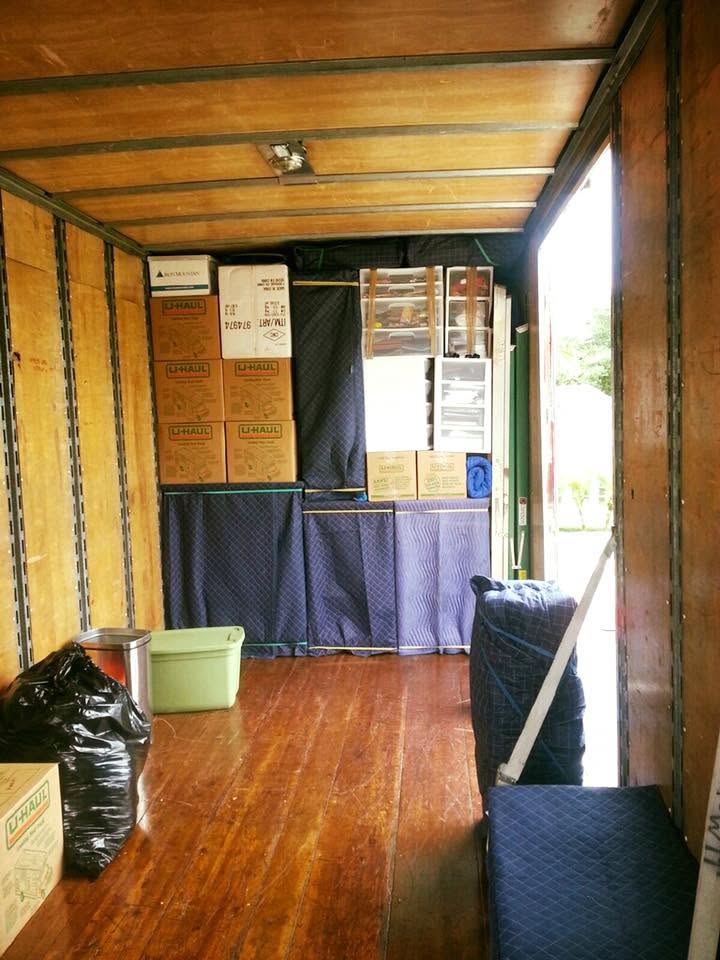
None of this happens in two weeks, and almost all of it happens over a Florida summer. How belongings are wrapped before they go in changes how much of it happens at all, which is what our packing and crating services are for.
Which Items Genuinely Need It and Which Do Not
Sort the load rather than the house. Most people are storing a mix, and the honest answer is that a proportion of it does not care about humidity at all.
| Needs careful protection | Usually fine in standard conditions |
|---|---|
| Wood furniture, antiques, veneered pieces | Plastic bins, patio furniture, garden tools |
| Leather furniture, jackets, bags and boots | Ceramics, glassware, most kitchenware |
| Paper, books, documents, photographs | Hand tools and metal shelving |
| Electronics, computers, audio equipment | Camping and sports equipment |
| Artwork, musical instruments, collectibles | Items that already live in a garage or outdoors |
A useful rule of thumb is that anything which normally spends its life in a garage, a shed, or outdoors will survive storage in similar conditions. Anything that has always lived in a conditioned house is the category to think about.
Duration matters as much as the item. Six weeks over a January closing is a different proposition from eight months across a summer, and short winter storage rarely causes the problems that long summer storage does.
How things are prepared also counts, so breathable wrapping on wood and leather, sealed containers for documents and photographs, and crates for artwork and instruments all make a real difference.
Not sure which half of your load actually needs protecting? Tell us what you are storing, and we will go through it with you before you commit to anything.
How Vaulted Warehouse Storage Differs From a Rented Unit
There is a middle ground that most people comparing options never consider, because the default assumption is a metal unit in a row.
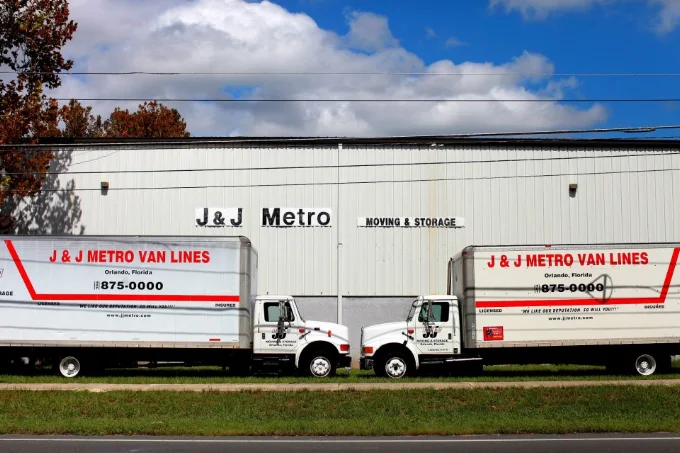
Our vaulted warehouse storage works differently. Household goods are sealed into wooden vaults inside our 24,000-square-foot warehouse about five minutes from I-4 and Maitland Boulevard, with oversized pieces on open racking, a fenced yard, security, fire detection, and a sprinkler system.
Your belongings sit inside a building rather than behind a roller door that opens straight onto outside air.
The handling difference is larger than the building difference. Storage with us is full service, meaning our crew loads at your property, transports everything, and redelivers when you call, so your furniture is handled twice rather than four times.
A self-storage unit puts both loads on you, which adds two more opportunities for a dropped corner than most people count on. Vaulted storage is scheduled access rather than self access, so if you need to pull a single item out regularly, that is worth raising when you book.
If your load includes pieces that need a controlled temperature and humidity range specifically, say so when you request your estimate, and we will talk through the options for those items rather than guessing at them.
How to Decide for Your Own Load
Work through four questions. What is going in, how long is it staying, what season does that cover, and which of those items would genuinely upset you if they came back warped, rusted, or musty.
If the answer to the last question is nothing, standard conditions and good packing will serve. If the answer is a dining table, a box of photographs and a guitar, those three things deserve a plan of their own even if the rest of the load does not.
If you are still weighing a rented unit against a mover’s warehouse, our comparison of mover storage versus self storage works through that side of the decision. The mixed load is where people get stuck, and it has a straightforward resolution.
You do not have to treat an entire household as one decision. Separate the sensitive items, protect those properly, and store the rest normally. That approach usually costs less than protecting everything and protects better than protecting nothing.
Whatever you decide, get it written into the estimate rather than agreed verbally, so what you are paying for and what conditions apply are both on the document before anything is loaded.
STILL WEIGHING UP YOUR OWN LOAD?
Count the wood, the paper, the leather and the electronics, and work out how many months and which season they are facing. Then ask us for a free written estimate, and we will plan the storage around what you are actually putting into it.
Related Topics: