

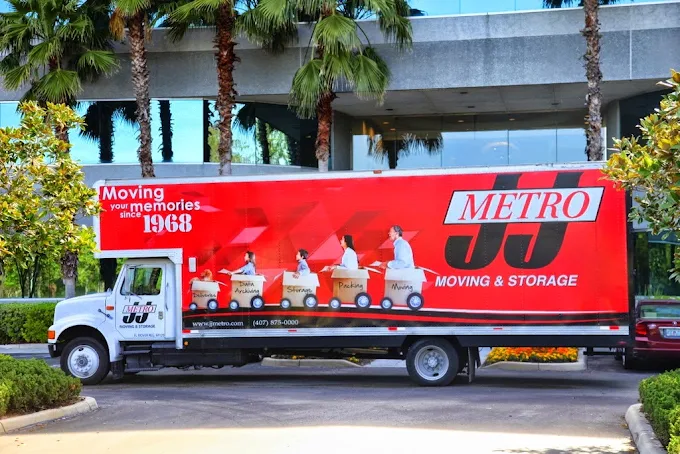
The clearest red flags when hiring movers in Orlando are a refusal to put the estimate in writing, a large cash deposit demanded before anything is loaded, a price quoted over the phone without anyone reviewing your inventory, and a company that will not give you its Florida registration details.
Any one of those is reason enough to keep calling. We have moved Central Florida households and businesses since 1968, and the complaints we hear about follow the same pattern almost every time.
Warning Signs That Show Up on the First Phone Call
The first call tells you more than most people realize. If the phone is answered with a generic greeting rather than a company name, you may be talking to a broker or a call center that sells your job to whichever crew bids lowest.
Brokers own no trucks, employ no crews, and operate no warehouse, so when something goes wrong, there is nobody with a physical address to answer for it. Ask directly whether you are speaking to the company that will actually perform the move, and listen for hesitation.
We have written before about questions to ask any mover, and the licensing question belongs at the top of that list.
Look at the website while you are on the phone. A legitimate Florida mover publishes a street address, not just a mobile number and a contact form. Be careful with any company that will price a whole household over the phone without reviewing what you own.
We offer free estimates that reflect your actual inventory, your access at both addresses, and your dates, because a number produced without that information is a guess that tends to rise on moving day. A quote that sits dramatically below every other bid you have collected is usually the same guess wearing a discount.
What Florida Requires Before Any Mover Touches Your Belongings
Moves within Florida fall under Chapter 507 of the Florida Statutes, enforced by the Florida Department of Agriculture and Consumer Services. Three protections apply to you on every intrastate job.
A written estimate and contract have to be signed by both you and the mover before any moving work begins, the mover’s state registration number has to appear on that document, and the company has to be registered with the state to move household goods at all. A company that will not meet those conditions is not simply being informal. It is operating outside the law.
Florida also requires registered movers to carry insurance for loss of or damage to household goods. That is worth confirming in writing rather than accepting as a verbal assurance, because a claim of full insurance coverage on everything you own is itself a warning sign.
Read what your estimate includes and what it bills separately, particularly packing materials, crating, stair or elevator charges, long carries, and storage. We keep answers to common Florida moving questions published for exactly this reason, so nothing about the paperwork comes as a surprise once a crew is at your door.
Deposit and Payment Demands That Should End the Conversation
Most local moving companies do not require a large advance deposit. When a company insists on one, and insists further that it be paid in cash, by wire transfer, or by postal money order, treat that as a stop sign.
The same applies if you are asked to make a check out to a person rather than the registered business name. Those payment methods exist because they are difficult to reverse, and they are the common thread running through Florida moving complaints.
The second payment red flag arrives later. Some operators load a truck, then raise the price before they will unload, which leaves a family negotiating with a stranger who is holding everything they own. Prices can legitimately change during a move, and we will tell you why before the day arrives.
More items than were listed, packing that was not finished, a long carry from the door to the truck, a stair or elevator wait, or parking that forces a shuttle will all affect an hourly job. The difference is that a legitimate change is explained in advance and documented, rather than announced from the back of a loaded trailer.
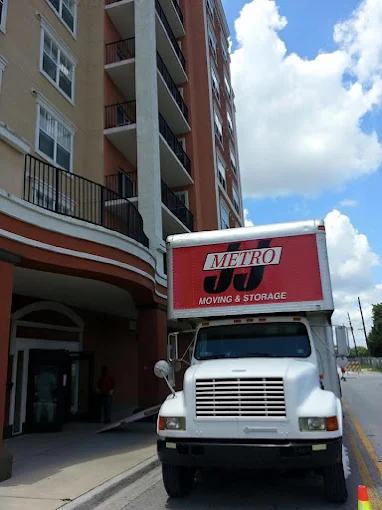
Planning a move in Central Florida and want a number you can actually rely on? Ask us for a free written estimate based on your own inventory and addresses.
Red Flags That Show Up on Moving Day
A crew that arrives in an unmarked or rented truck is a problem, because it usually means the company you hired is not the company standing in your driveway. Check that the name on the truck, the paperwork, and the website match exactly.
Our crews arrive in our own hi-cube cargo trucks with pads, dollies, and straps on board, and the people who show up are our own crew rather than labor booked that morning.
Run through a short list before anyone picks up a box.
- The company name on the truck matches the name on your contract
- You receive a bill of lading rather than a blank or partly filled form
- An inventory is taken, and you get a copy of it
- Furniture is pad-wrapped, and floors and doorways are protected
- The crew walks the property with you before the truck leaves
Even a careful crew can damage something, and we would rather say that plainly than pretend otherwise. Photograph high-value items before the move, note any damage at the time of delivery rather than weeks later, and keep your signed estimate and inventory together.
If something does arrive damaged, you can read how to file damage claims on our website, and documentation is what makes that straightforward to resolve.
How to Check a Mover Before You Pay Anything
Verification takes one phone call. Check a mover’s registration and complaint history with the Florida Department of Agriculture and Consumer Services at 1-800-HELP-FLA before you hand over a deposit.
If your move crosses a state line, federal rules apply instead of Florida rules, so ask which paperwork governs your move and confirm the company is authorized for interstate work. A company that answers both questions without flinching has nothing to hide.
After that, look at how long the company has been answering for its own work. We have operated in the same Central Florida market since 1968, built our warehouse here in 1987, and stayed in the same family through three generations of management, which is a different kind of accountability than a business that appeared online last season.
Read the customer reviews on Google and Yelp rather than the testimonials a company writes about itself, and pay attention to whether reviewers name individual crew members. Named crews point to stable staffing rather than day labor.
Frequently Asked Questions
These are the questions customers ask us most often while they are still comparing companies, and the answers are the same ones we give on the phone.
Check the mover registration and complaint history with the Florida Department of Agriculture and Consumer Services by calling 1-800-HELP-FLA. Any company moving household goods within Florida must be registered, and the registration number has to appear on your estimate or contract. A mover that will not put an estimate in writing is the clearest warning sign.
Yes. Florida requires a written estimate and contract signed by both you and the mover before any moving work begins, and that document must list the mover’s state registration number. Read the estimate for what is included and what is billed separately before you sign.
The common causes are more items than were listed in the estimate, packing that was not finished, long carries from the door to the truck, stairs or elevator waits, and parking that forces a shuttle. Giving a complete inventory and describing access at both addresses is what keeps the final figure close to the estimate.
You can file a claim directly with us through our website. Photograph high-value items before the move and note any damage at the time of delivery, since written documentation makes a claim faster to resolve.
Contact Us Before You Sign Anything
If a quote you have received raises any of the warning signs above, talk it through with someone who has worked this market for decades. We will give you a free written estimate, explain what is included and what is billed separately, and answer the registration and insurance questions in writing rather than over the phone.
J&J Metro Moving and Storage
Address: 1101 West Kennedy Boulevard, Orlando, Florida 32810
Phone: (407) 875-0000
Email: info@jjmetro.com
Related Topics: